
Featured game
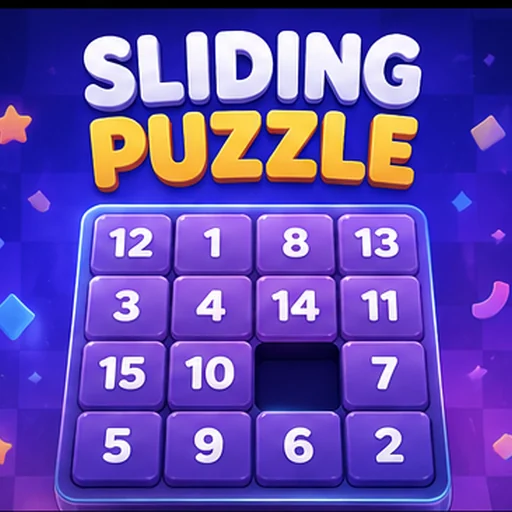
Sliding Puzzle
mediumClassic 4×4 tile puzzle
Popular in Brain Games
Games in Brain Games
Hidden Emoji
mediumSpot the odd one out
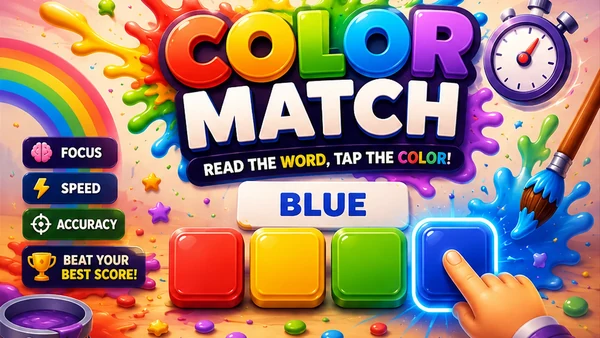
Color Match
mediumRead the word, tap the color
Memory Numbers
hardRemember the sequence
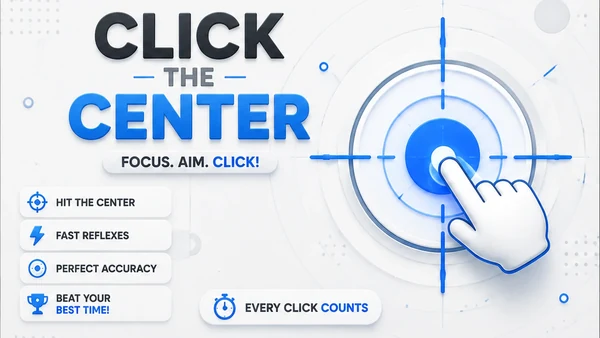
Click The Center
hardTrust your eye
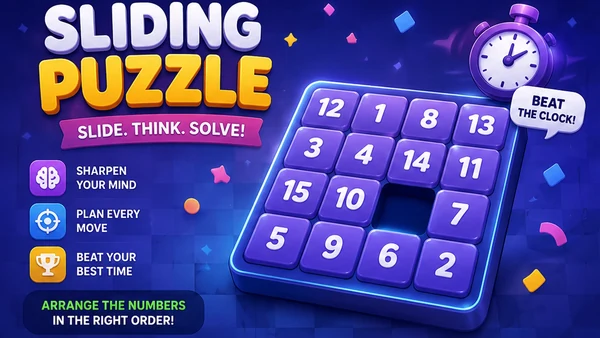
Sliding Puzzle
mediumClassic 4×4 tile puzzle
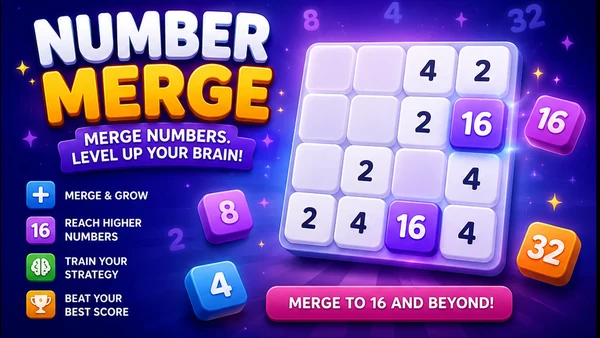
Number Merge
mediumMerge, double, repeat
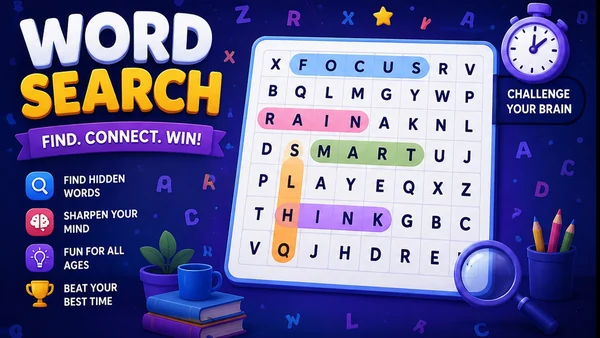
Word Search
medium60-second word hunt
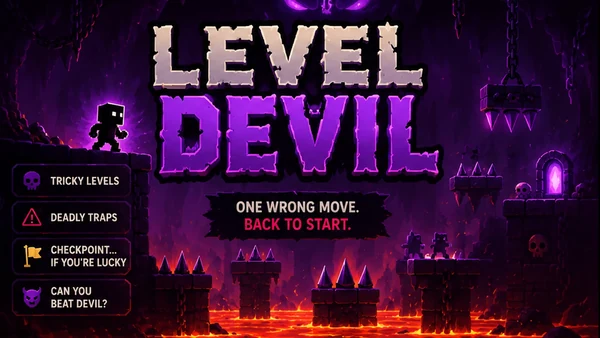
Level Devil
hardThe floor is lying to you
Articles about brain games
- ArticleBrain Games vs Puzzle Games: What's the Difference?Brain games and puzzle games look similar but train different skills. A friendly guide to what each one really does.
- ArticleThe Psychology Behind "Just One More Try"Dopamine, near misses, and the challenge–skill curve — a friendly tour of why short games are so replayable.
Brain games without the commitment
Most brain-training sites ask for an account, a daily streak and a subscription before you play anything. ArcadeSparks takes the opposite approach: every brain game here is one screen, one rule and one score. You open the page, you play, you close the tab. The mental work is real, but the ceremony around it is gone.
The challenges in this category lean on judgement rather than pure speed. Estimating a centre point, filtering a crowded grid, deciding whether a label matches a colour — each one asks your brain to make a decision under mild time pressure, which is the state where attention is easiest to observe.
Attention is the real skill
Almost every quick brain game is secretly an attention test. Visual search games measure how efficiently you scan and how well you suppress the urge to recheck. Colour-and-word conflicts measure how well you ignore an automatic reading response, the same interference the classic Stroop test exposes. Estimation games measure whether you can commit to a judgement instead of second-guessing yourself.
Attention is also the ability most affected by fatigue and interruption, which is why the same person can post very different scores at 9am and 4pm. Playing a round or two is a surprisingly honest read on how much focus you have left.
Getting better without grinding
Improvement in this category comes from process, not effort. Adopt a fixed scanning pattern instead of a random one. Decide your answer before you move your hand, so the click executes a decision rather than exploring one. Accept a small, consistent error rather than chasing a perfect run — accuracy usually rises when you stop trying to be spectacular.
It also helps to play in short bursts. Two minutes of full attention beats fifteen minutes of half attention, and the score chart makes the difference obvious very quickly.
Are brain games worth playing?
Research on brain training is mixed: you reliably get better at the game, and the spillover into unrelated skills is smaller than the marketing suggests. That is fine, because the value here is not clinical. A short brain game gives your mind a clean, self-contained problem to solve, resets attention after a long block of work, and takes less time than deciding what to watch. Enjoy it as a break with a score attached rather than as a cognitive supplement.
Frequently asked questions
- What is a brain game?
- Any short challenge that tests thinking skills such as attention, memory, estimation or decision speed rather than manual dexterity alone.
- Do brain games actually work?
- You reliably improve at the specific game and at the skill it drills. Broad, lasting increases in general intelligence are not supported by the evidence, so treat brain games as a sharpener and a break.
- How long should a brain break be?
- Two to five minutes is enough to reset attention between work blocks. Every game here finishes in under fifteen seconds, so you control the length precisely.
- Do I need an account?
- No. There is no sign-up, no download and no email required — every game starts on the first click.
- Can I play brain games on my phone?
- Yes. Every game is built mobile-first and works with touch, mouse or trackpad.
- Which game should I start with?
- Click The Center is the gentlest introduction because it needs no memory at all, then move to Color Match once you want more interference to fight.